
Butterfly and colorful garden
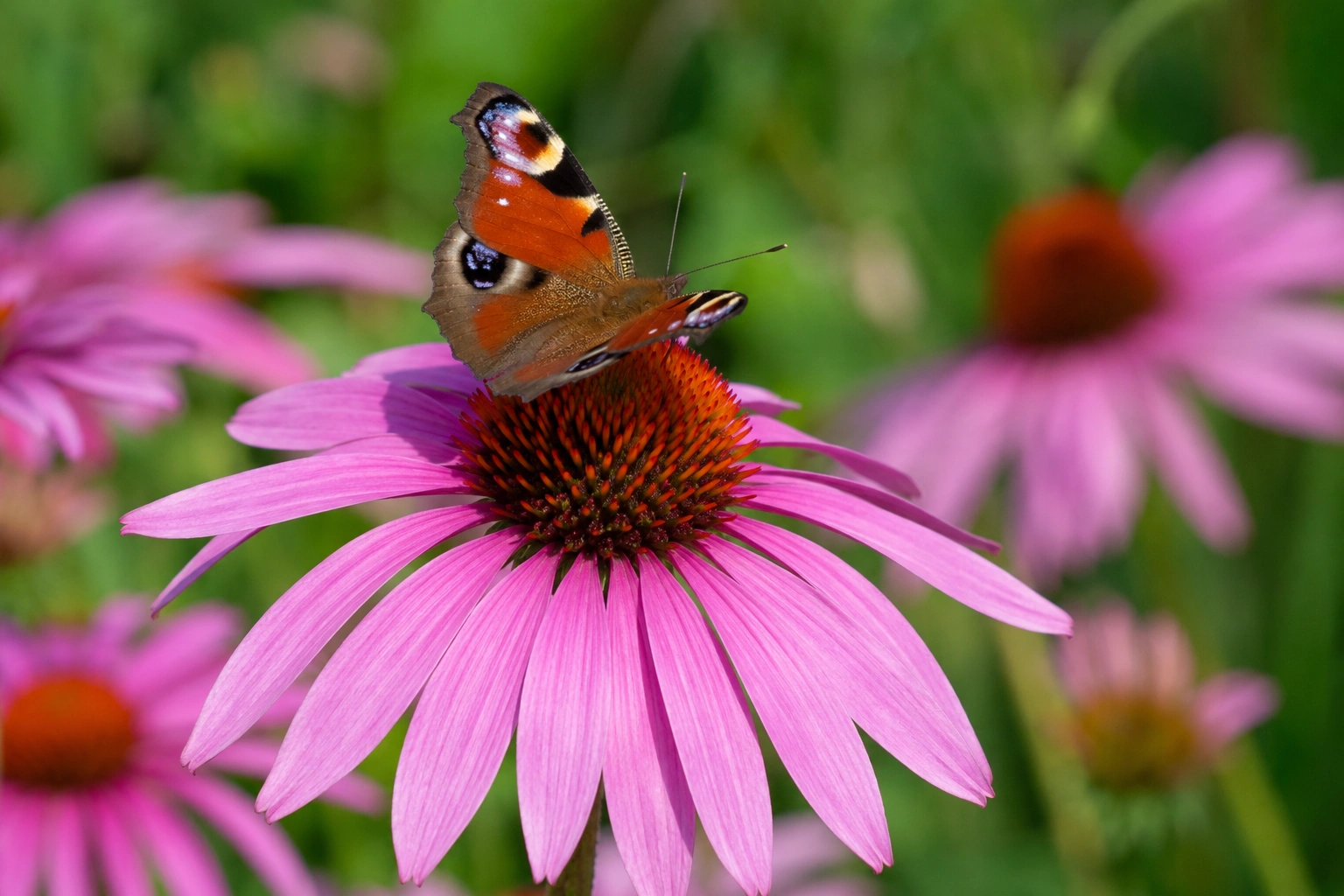
Transform your garden or terrace into a vibrant butterfly paradise! Discover the 5 most beautiful summer bloomers that instantly bring color and fluttering visitors. Read our practical tips now!
The most beautiful plants for a colorful garden: tips for more butterflies
A garden full of color is pure enjoyment in spring and summer. But did you know that by choosing the right flowers and plants, you are not only pleasing yourself, but nature too? By opting for colorful, nectar-rich plants, you can transform your garden or terrace into a vibrant butterfly paradise in no time. In this guide, you will discover which plants provide a true explosion of color and how you can use them to instantly attract more butterflies to your garden.
Why color and butterflies go hand in hand
Butterflies love color, but they are also picky. They fly from flower to flower in search of nectar. However, not every brightly colored flower offers the nutrition they need. To create both a colorful garden and a lively butterfly sanctuary, choosing the right plants is essential. With the top recommendations below, you will enjoy a stunning color palette and a garden full of fluttering visitors.
Our top 5 plants for color and butterflies
1. The Butterfly Bush (Buddleja davidii) – The ultimate magnet
If there is one plant that lives up to its name, it is the butterfly bush. From July until autumn, this shrub blooms with large, fragrant flower spikes in purple, pink, white, or blue. Its sweet scent is irresistible to dozens of butterfly species.
- Location: Full sun.
- Tip: Deadhead the faded flowers immediately to encourage the shrub to keep producing new blooms.
2. Coneflower (Echinacea purpurea) – Bold and colorful
With its striking purple-pink petals and a sturdy, orange-brown center, the Coneflower is a beautiful addition to any border. The large, open center forms the perfect landing pad for butterflies and bees.
- Location: Sunny with well-drained soil.
- Extra benefit: Even after blooming, this plant remains highly decorative throughout the winter.
3. Lavender (Lavandula angustifolia) – Purple splendor and Mediterranean scent
Lavender brings not only a beautiful deep purple accent to your garden, but also that wonderful, calming fragrance. It is a firm favorite that butterflies and bumblebees visit continuously all summer long.
- Location: Dry, warm, and plenty of sun.
- Application: Perfect for borders, but also does excellently in planters on the terrace.
4. Purple Top Verbena (Verbena bonariensis) – Elegant and transparent
Verbena is an absolute must-have for a modern, colorful garden. The plant grows on long, slender stems topped with small, lilac flower clusters. Because the plant is airy and transparent, you can place it anywhere between other plants without blocking the view
- Location: Sun to partial shade.
- Butterfly favorite: Butterflies like the Peacock and the Small Tortoiseshell are absolutely fond of it.
5. Stonecrop (Sedum) – Color in the late summer season
When many summer bloomers are slowly fading, the Stonecrop is just getting started. This hardy succulent produces large, pinkish-red flower clusters in late summer, which butterflies gratefully use to top up their final reserves for the winter.
4 extra tips for more butterflies in your garden
In addition to planting the right flowers, you can make your garden even more attractive with these simple adjustments:
- Provide sun and warmth: Butterflies are cold-blooded and need to warm up before they can fly. Therefore, plant your butterfly flowers in the warmest, sunniest spots in the garden.
- Create shelter: Butterflies do not like wind. A dense hedge, a fence with climbing plants, or a group of shrubs offers a safe hiding place.
- Set up a drinking station: Place a flat stone in a sunny spot and keep the soil around it moist. Butterflies love to drink the mineral-rich water here.
- Avoid pesticides: Absolutely do not use chemical pesticides. These are directly lethal to caterpillars and butterflies. Always choose natural alternatives.
Comments
Be the first to comment...