
How to Keep Your Potted Plants Alive While on Vacation
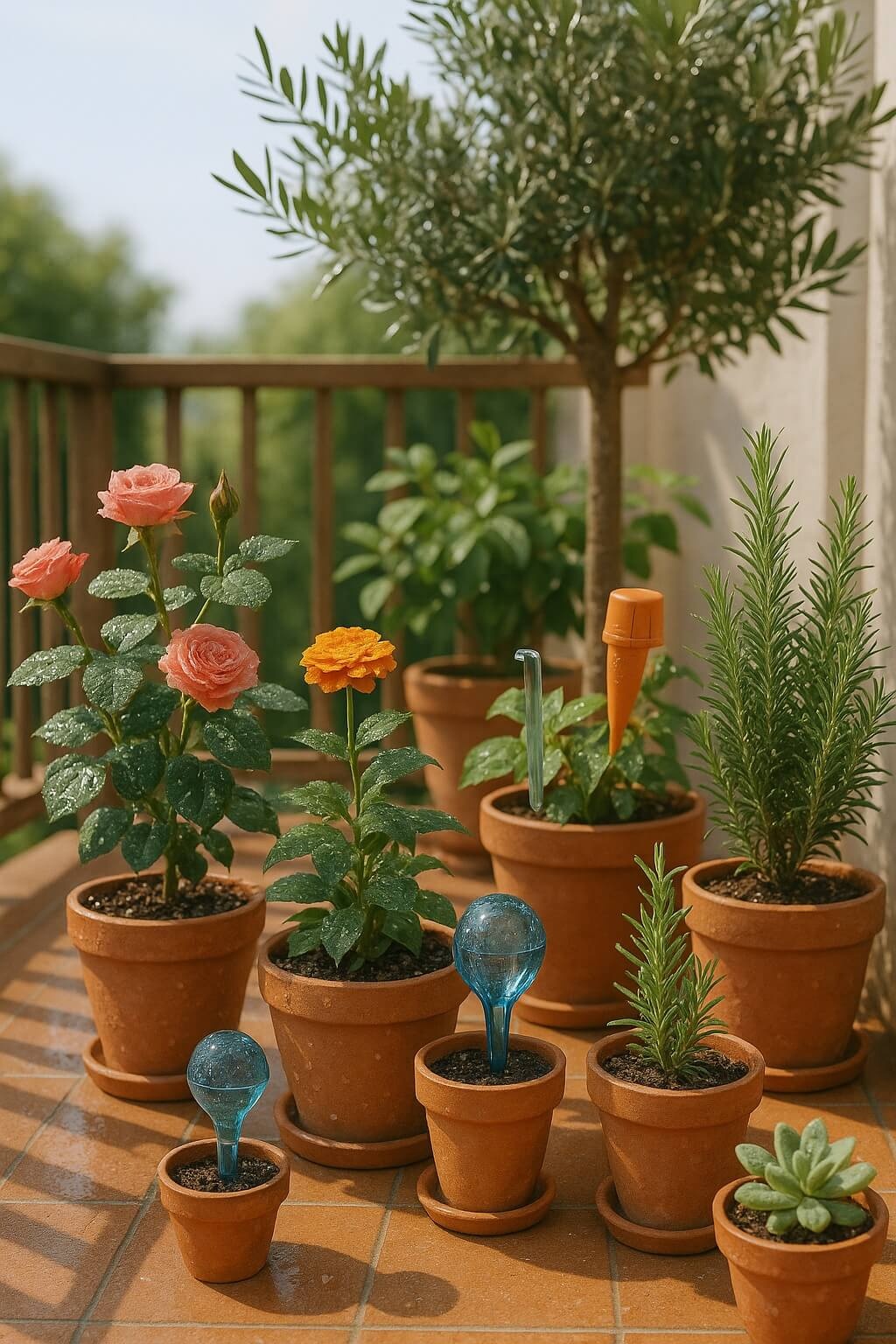
Keep your potted plants alive during vacation with a few smart tricks!
Do you often come home to dried-up, dead plants after a wonderful trip? What a waste! With our handy tips, your green friends will easily survive your absence. Even without a plant sitter!From the upside-down wine bottle to the perfect shady spot: discover the secret that will save your plants.
Read all 9 essential tips right now in our latest blog!
How to Keep Your Potted Plants Alive While on Vacation: Tips for a Worry-Free, Green Homecoming
Going on a trip soon, but worried about your potted plants? No need to panic! With the right preparation, your green friends will easily survive a few weeks without your care. Potted plants are ideal: you can move them easily during extreme heat or cold, and they easily transform a bare balcony or terrace into a lush oasis. However, they do have a weak spot. They dry out much faster than garden plants and are highly sensitive to temperature fluctuations. And that is exactly what makes going away a bit risky.
Fortunately, you can easily prevent coming home to a dry and withered plant corner. With these practical vacation plant care tips, you will enjoy a worry-free trip and a healthy, green homecoming.
1. Just before departure: the ultimate checklist
Prepare your plants well for your absence with these quick steps:
- Water thoroughly. Let excess water drain completely to prevent root rot.
- Use a saucer. This helps the pot retain moisture for a longer period.
- Move them to the shade. Group your potted plants together in a sheltered spot.
- Prune light bloomers. Trim plants like surfinias to minimize water evaporation.
- Check for pests. Remove diseased leaves immediately to prevent spreading.
- Create a watering wick. Drop a rope from a water bucket straight into the potting soil.
2. Temporarily move potted plants out of the sun
Direct sunlight causes an extremely high rate of moisture evaporation.
- Find indirect light. Move indoor plants near a north-facing window for now.
- Use a parasol. Protect your terrace and balcony plants from the fierce midday sun.
- Keep them cool. Less heat means your plants will consume less water.
3. Group them together and increase humidity
Plants that stand close to each other actually help each other survive.
- Create a microclimate. Grouped plants naturally keep the humidity levels high.
- Use clay pebbles. Place the pots in a shallow tray filled with water and pebbles.
- Provide constant hydration. This system releases moisture very gradually.
4. Smart tools for self-watering
Want to water your potted plants automatically while you are away? Use these handy systems:
- Watering cones or irrigation spikes: Combine them with an upside-down water bottle in the soil.
- Watering wicks: These constantly draw water from a low reservoir up into the potting soil.
- Water globes or gels: Ideal reservoirs that release moisture to the roots very gradually.
5. Which watering system should you choose? (Vacation length per method)
Not every method fits a long trip. Match your choice to the time you will be away:
- Weekend getaway (2-3 days): A thorough watering beforehand and grouping them in the shade is usually enough.
- Midweek or a week away (4-7 days): Use the upside-down wine bottle hack, water globes, or a mini-greenhouse for smaller indoor plants.
- Two weeks away (10-14 days): Opt for a wick or rope watering system with a large bucket, or use professional watering cones.
- More than two weeks (15+ days): Combine a large automated drip system with the help of a reliable plant sitter.
6. Extra tips for outdoor plants on the terrace or balcony
Outdoor plants dry out even faster than indoor ones due to wind and sun. Take these extra steps:
- Move everything to the north side. Temporarily move your pots to the least sunny side of your house or garden.
- Cluster them against a wall. Place pots close to a fence or wall to break the wind.
- Use mulch or clay pebbles. Add a layer of bark or pebbles on top of the soil to block the sun.
- Bring hanging baskets down. Hanging pots catch a lot of wind; place them on the ground in the shade.
- Use automatic drippers. For long vacations, connect a simple drip system with a timer to your outdoor tap.
7. Ask a plant sitter (with clear instructions)
Do you have neighbors, family, or friends who are willing to help? Awesome! Just give them these clear guidelines:
- Water in the morning. Or wait and water during the late evening hours.
- Pour directly onto the soil. Avoid wetting the leaves to prevent fungal growth.
- Know the thirst rules. Petunias need lots of water, while succulents need very little.
- Check even after rain. The potting soil at the bottom of the flower pot might still be bone dry.
Tip: Use our handy plant care labels to guide your plant sitter with essential instructions.
8. Opt for drought-tolerant potted plants
Are you on the road frequently? Choose strong plants that can handle a bit of drought. These are great choices for a low-maintenance balcony or terrace:
- Succulents: Think of echeveria and sedum.
- Sun lovers: Delosperma and Portulaca bloom beautifully in intense heat.
- Kitchen herbs: Thyme and rosemary survive dry spells effortlessly.
- Exotics: Agave, yucca, and palms instantly give your terrace a Mediterranean vibe.
9. The right flower pot prevents drying out
Your choice of flower pot is just as important as the plant itself:
- Choose large pots. Small pots dry out significantly faster.
- Buy terracotta pots. This porous material breathes and naturally cools the roots.
- Avoid dark pots. These heat up quickly; choose lighter colors instead.
- Don't repot too late. Do this at least a week before leaving so the plant can adjust.
Check out our full range of large planters and heat-resistant outdoor pots right now.
<hr class="j3tEEe" data-sfc-root="ep" data-sfc-pl="||[]" data-sfc-cb="" data-complete="true" data-processed="true" data-sae="" data-copy-service-computed-style="font-family: "Google Sans", Arial, sans-serif; font-size: 14px; font-weight: 400; margin:
Leave a comment
Comments
Be the first to comment...